Synchronizing Mobile Platform Uplifts With Live Table Cycles and Reward Tier Milestones
Petra Frank · Oct 31, 2026

Synchronizing Mobile Platform Uplifts With Live Table Cycles and Reward Tier Milestones
Platform Uplifts and Their Timing Requirements
Operators coordinate mobile platform uplifts with live table cycles because updates to core systems often require temporary pauses in streaming feeds and real-time data processing, and data from multiple jurisdictions shows that misalignment leads to extended downtime across both mobile and desktop access points. In October 2026, several major platforms implemented scheduled uplifts during off-peak hours that coincided with reduced live table activity in key time zones, allowing developers to push new code while minimizing disruption to ongoing dealer rotations and player sessions.
Technical teams examine server load patterns before selecting uplift windows, and they cross-reference these patterns against historical live table cycle data that reveals peak participation periods in regions such as North America and the Asia-Pacific. According to reports from the iGaming Ontario, synchronization efforts in regulated markets have reduced service interruptions by aligning maintenance cycles with documented low-traffic intervals that occur between major live event schedules.
Live Table Cycle Coordination Mechanisms
Live table cycles follow predictable rotation patterns that include dealer shifts, game resets, and broadcast equipment checks, and mobile platforms must account for these intervals when deploying uplifts that affect video encoding or latency compensation modules. Observers note that platforms using automated scheduling tools map uplift deployment scripts directly onto cycle calendars so that critical patches land only after a table completes its current round and before the next dealer logs in.
Research indicates that live table operators in multiple markets publish cycle timetables in advance, which allows mobile development teams to reserve specific maintenance slots without overlapping active dealer streams. Those who manage these systems often integrate API calls that pause incoming player connections at the start of an uplift and resume them once the updated mobile client verifies connectivity with the refreshed backend services.
Reward Tier Milestone Integration
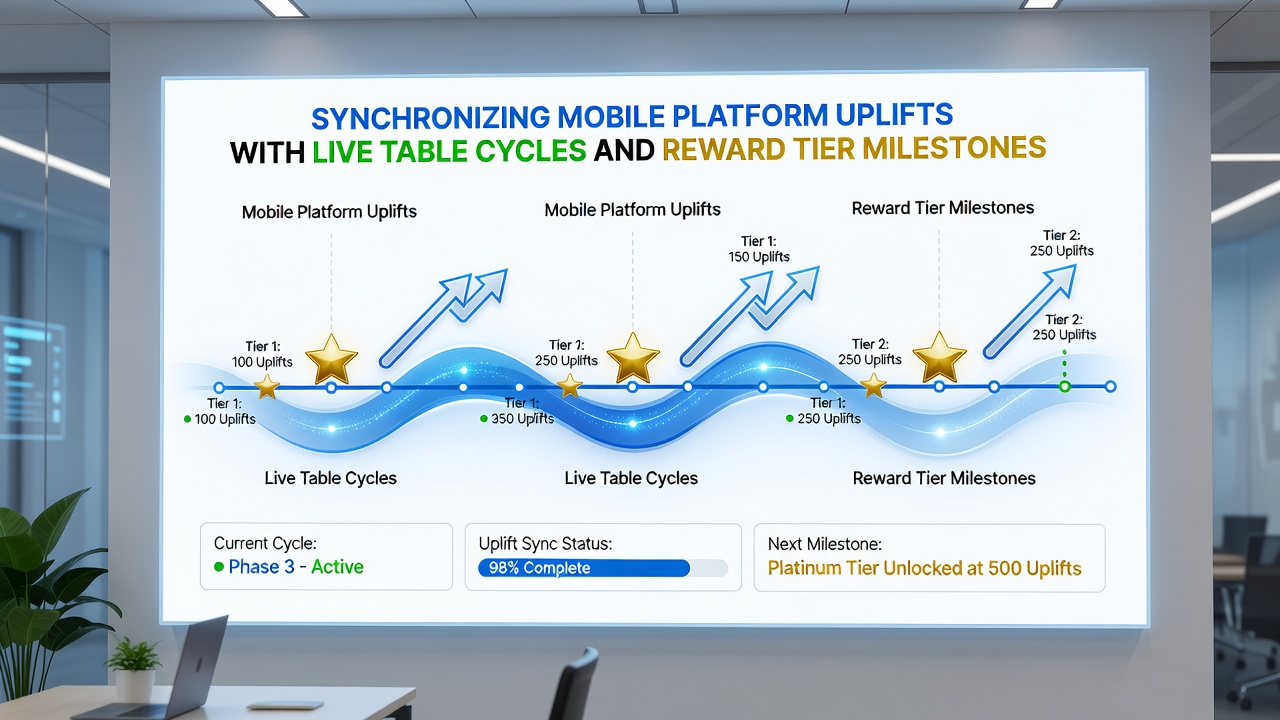
Reward tier milestones accumulate through tracked activity across live tables and mobile sessions, and platforms synchronize uplift timing to avoid resetting or delaying point calculations during active tracking periods. Data shows that milestone progress bars update in real time through dedicated reward engines, yet these engines require stable connections that can be interrupted if a mobile uplift occurs mid-cycle without proper state preservation protocols.
Industry analyses from the Pennsylvania Gaming Control Board highlight cases where operators adjusted uplift schedules around milestone reset dates so that players completing tier requirements received accurate credit before any system changes took effect. Developers embed checkpoint systems that capture tier status at the beginning of each uplift window, and they restore or advance those statuses once the new mobile build connects successfully to live table feeds.
Operational Practices Across Jurisdictions
Regulatory frameworks in different regions require operators to document how platform changes interact with live service availability and player reward tracking, and compliance reports often include detailed logs of uplift events matched against table cycle records. In October 2026, updated guidelines from the Australian Communications and Media Authority emphasized the need for transparent scheduling that prevents reward milestone disruptions during mandatory system improvements.
Teams responsible for synchronization maintain shared calendars that combine live table shift data, mobile release pipelines, and tier milestone deadlines into single planning views. These calendars help identify conflicts early, allowing adjustments that keep reward accumulation continuous even when mobile clients receive new features or security enhancements.
Technical Considerations and Data Flows
Mobile uplifts frequently modify data synchronization layers that pull live table statistics and reward balances, and operators test these changes against simulated cycle conditions to confirm that milestone tracking remains accurate throughout the process. Studies from university-affiliated gaming research centers have examined how incremental updates reduce the risk of data loss compared with full client replacements that demand longer connection blackouts.
Engineers route live table video and metadata through redundant pathways during uplift periods, which maintains visibility for players while the mobile platform transitions to the updated version. Checkpoint mechanisms record the exact state of each active session, including current table cycle position and accumulated reward points, before any code deployment begins.
Conclusion
Effective synchronization of mobile platform uplifts with live table cycles and reward tier milestones depends on coordinated scheduling, redundant data pathways, and documented compliance procedures that multiple regulatory bodies now require. Platforms that align these elements through shared calendars and automated checkpoints experience fewer interruptions in service continuity and player progress tracking. Continued refinement of these practices across jurisdictions supports stable operations as mobile systems and live table environments evolve together.