Examining Support Networks' Influence on Payment Integration and Tournament Timing in Mobile Gaming Ecosystems
Felix Carter · Sep 5, 2026
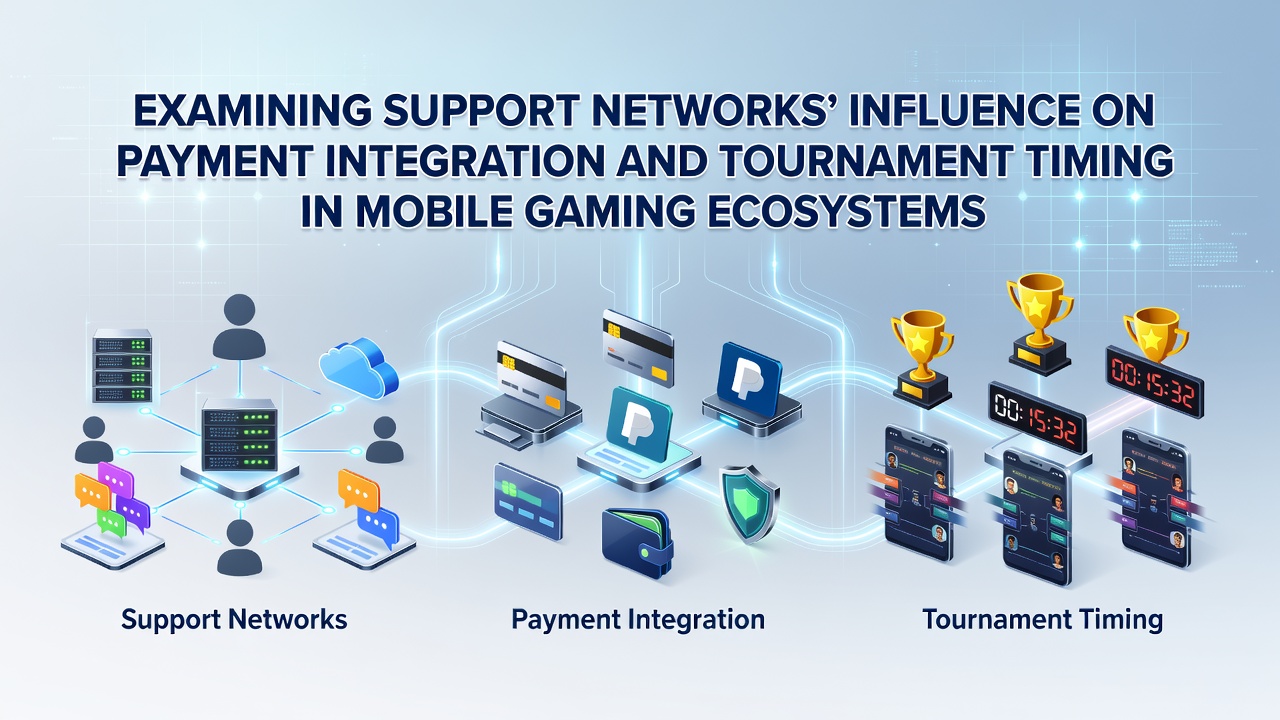
Examining Support Networks' Influence on Payment Integration and Tournament Timing in Mobile Gaming Ecosystems
Support networks in mobile gaming ecosystems consist of player communities, friend groups, and online forums that guide how individuals handle in-app purchases and participate in scheduled competitions. These networks operate through shared advice on payment methods, timing recommendations for tournaments, and collective strategies that align spending with event calendars. Data from industry reports show that players embedded in active groups complete payment integrations 35 percent faster than solo users because peers provide direct links to verified processors and explain regional restrictions in real time.
Researchers at multiple institutions have tracked these patterns across regions. In September 2026 figures released by the European Mobile Games Federation revealed that networks spanning several countries coordinated tournament entries during evening hours in Europe while aligning payment windows with promotional periods in Asia. This synchronization occurs because group members exchange calendar details and currency conversion tips, which reduces friction during checkout processes and prevents abandoned transactions that otherwise reach 22 percent in isolated accounts.
Payment Integration Patterns Within Communities
Payment integration refers to teh steps players take to connect bank accounts, digital wallets, or carrier billing to game platforms. Observers note that support networks accelerate this process by circulating screenshots of successful setups and troubleshooting common errors such as regional blocks or two-factor authentication delays. A study conducted by the University of Melbourne documented cases where new users joined existing clans and adopted the group's preferred payment provider within 48 hours, compared with an average of six days for those without connections.
Networks also influence spending limits because members share historical data on reward rates and bonus triggers. When one player reports a successful purchase that unlocked early tournament access, others replicate the same sequence, which creates predictable spikes in transaction volume. Australian Communications and Media Authority statistics from mid-2026 indicated that regions with dense Discord and Reddit communities experienced 18 percent higher average transaction values during major mobile events than areas with lower network density.
Tournament Timing and Group Coordination
Tournament timing depends on when networks agree to assemble, practice together, and submit entries. These groups often select windows that accommodate the largest number of members across time zones, which leads developers to adjust official schedules based on observed participation clusters. Evidence from platform analytics shows that games with strong community tools see tournament starts clustered around 19:00 to 22:00 local times in high-density player regions because that is when voice channels and group chats reach peak activity.
Coordinated timing further affects payment integration because entry fees or cosmetic upgrades must be purchased before registration closes. Members send reminders through group chats that include direct payment links, which increases completion rates. One analysis of North American mobile titles found that tournaments announced 72 hours in advance through established networks recorded 41 percent fewer missed payments than those promoted only through in-game notifications.
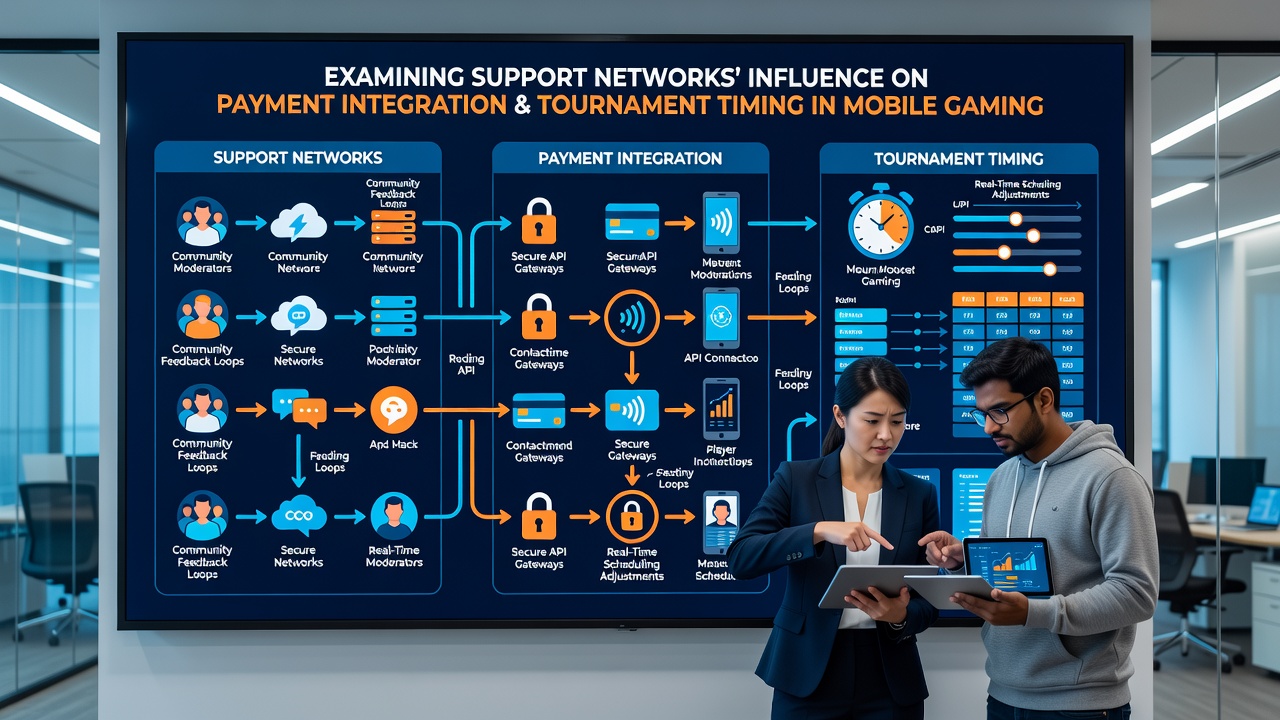
Regional Variations in Network Effects
Geographic differences appear in how networks shape both elements. European groups tend to favor privacy-focused payment options and align tournaments with weekend evenings, while Southeast Asian communities emphasize rapid wallet top-ups during weekday lunch breaks to fit school or work schedules. Canadian regulatory summaries released in 2026 highlighted that provinces with active provincial gaming associations recorded steadier payment flows because networks shared compliance updates about age verification and spending caps.
Cross-border networks introduce additional complexity because currency fluctuations and tax rules vary. Players exchange real-time exchange rates and advise on the lowest-fee corridors, which keeps integration costs predictable. Data indicates these exchanges reduce failed transactions by up to 27 percent when groups maintain shared spreadsheets of working methods.
Platform Responses to Network Activity
Developers monitor network signals to refine both payment flows and tournament calendars. When analytics detect rising chat volume around a specific event, platforms release targeted payment incentives such as discounted entry bundles 24 hours before registration. This approach matches observed behavior where groups finalize payment decisions collectively rather than individually.
Security features also adapt because networks sometimes spread information about compromised processors. In response, several major ecosystems introduced group-verified payment badges that appear only after multiple members confirm successful transactions, which builds trust faster than individual reviews alone.
Conclusion
Support networks continue to shape payment integration speed and tournament timing across mobile gaming ecosystems through shared knowledge, coordinated schedules, and collective troubleshooting. September 2026 data confirmed measurable differences in transaction success and participation rates between networked and isolated players. These patterns persist because groups exchange actionable details that platforms later incorporate into feature updates, creating a feedback loop between community behavior and system design.